
Wahls Diet App
FoogalMedical
2.610.00 Reviews
- Version
- 1.12.9
- Installs
- 10.00K
- Age Rating
- Everyone
Screenshots
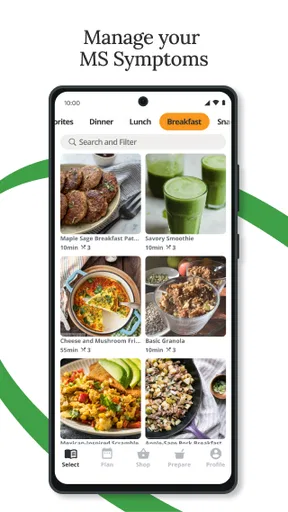
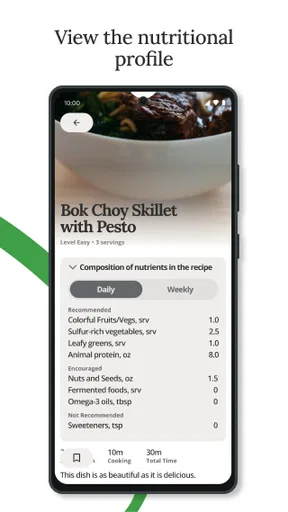
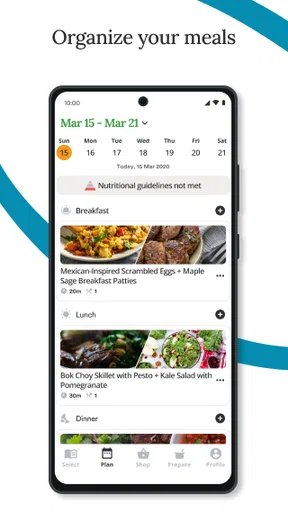
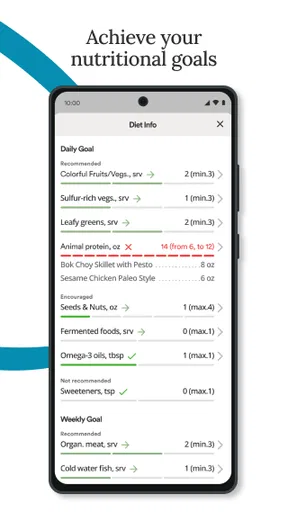
Our Review of Wahls Diet App
 Analysis by Appyee
I approached Wahls Diet App as a practical companion for people with multiple sclerosis who want to organize their eating habits around the Wahls diet. My overall impression is mixed but useful: it can give a person a clearer routine and a more focused way to think about meals, yet it should not be mistaken for a complete medical-management tool or a replacement for advice from a neurologist and registered dietitian.
That distinction matters because the app sits in the medical category, where convenience is helpful only when it supports sensible decisions. Developed by Foogal, it is free to install and aimed at Everyone, while optional in-app purchases range from $14.99 to $99.99 per item. I would consider it a starting point for structured dietary experimentation, not a stand-alone answer to MS symptoms.
What the app does well, and where it needs caution
I find the most useful way to judge this app is to ask whether a diet-focused guide would make everyday decisions easier, rather than expecting it to explain changes in MS symptoms. Its narrow purpose can help turn an intention into a workable food routine, but medical choices and major dietary changes still deserve professional input. With that boundary in mind, the next section looks at where this focused approach earns its place.
A focused approach instead of a general food diary
The main appeal is its narrow purpose. Rather than presenting itself as a broad calorie counter or a generic healthy-eating planner, the app is built around managing MS symptoms through the Wahls diet. That focus can be reassuring when a person is tired of sorting through unrelated recipes, weight-loss targets, and fitness advice.
In my experience, a focused app is most valuable during the first weeks of a new routine. The difficult part is rarely understanding that vegetables, meal planning, and consistency matter. The difficult part is deciding what to do on a busy morning, how to prepare food after an appointment, and how to keep the plan realistic when the household eats differently. A tool centered on one dietary framework can reduce that initial decision fatigue.
I also like the fact that the app is available on older Android devices, with support beginning at Android 7.0. That makes it more approachable for someone who does not own a recent phone. Its current version is 1.12.9, so users should still check that their device behaves well after installation, particularly if they depend on accessibility settings or an older handset for daily health management.
How I would use it in an ordinary week
A realistic workflow would begin before grocery shopping rather than at the supermarket. I would review the dietary guidance, choose a small group of meals that fit my schedule, and write down the ingredients I actually intend to use. The important step is keeping the plan narrow: a few repeatable breakfasts, two or three dependable lunches, and dinners that can be prepared when fatigue is high.
For example, on a weekday with an MS clinic visit, I would avoid trying a complicated new recipe afterward. I would prepare something familiar in advance, use the app to keep the dietary choice aligned with my plan, and note how the meal fits alongside medication timing or other personal routines. That approach turns the app from a source of information into a prompt for preparation.
A less obvious benefit of this workflow is that it exposes the difference between dietary intention and dietary execution. A person may believe that a plan is easy until shopping, chopping, storage, and cleanup are considered. By testing meals against real energy levels, users can identify which recommendations are sustainable and which are too demanding. That is more useful than simply collecting recipes that never leave the screen.
Useful for patterns, not proof of symptom improvement
The app’s subject naturally invites people to connect food choices with symptoms. I think that can be helpful if handled carefully. A user might record what was eaten alongside fatigue, mobility, sleep, bowel changes, or other personally relevant observations, then discuss recurring patterns with a healthcare professional.
The key word is “patterns.” Symptoms of MS can fluctuate for many reasons, and a change after one meal does not prove that the meal caused an improvement or setback. I would avoid making large changes based on a single good or bad day. A more responsible method is to change one practical part of the routine at a time, keep the rest as stable as possible, and bring observations to a clinician.
This is also where a paper notebook or a general health journal may be better for some people. If the app does not match the exact details a user wants to track, forcing every observation into a diet-focused workflow can create more work than insight. The strongest use is as a dietary anchor, with symptom notes kept simple and interpreted outside the app.
The real weakness: focus can become oversimplification
My biggest concern is not that the app focuses on the Wahls diet; that is its reason for existing. The concern is that a focused dietary framework may feel more definitive than it really is, especially to someone who is newly diagnosed, frightened by worsening symptoms, or looking for control during a difficult period.
Food can be part of a person’s overall wellness strategy, but MS care usually involves far more than food. Medication decisions, rehabilitation, sleep, mood, exercise, heat sensitivity, accessibility, and regular clinical review all matter. I would not use this app to decide whether to stop prescribed treatment, delay an appointment, or interpret a new neurological symptom.
There is a second practical limitation: dietary plans can be expensive, restrictive, or difficult to adapt to family life. A person with limited energy may need convenience foods, help from a caregiver, or a plan designed around cultural staples and a fixed budget. If the app encourages a standard that cannot survive those realities, the user may feel that they have failed when the real problem is that the plan was poorly adapted.
My advice is to treat its recommendations as a framework for discussion, not a test of personal discipline. Before making major exclusions or changing supplements, I would ask a clinician or dietitian to review the plan, especially if I had food allergies, diabetes, kidney disease, swallowing difficulties, unintended weight loss, or medication-related dietary restrictions.
What the free entry point means
The app is free to install, which makes it relatively easy to explore before committing money. That is a meaningful advantage for people who want to see whether the approach fits their daily life. At the same time, optional purchases priced from $14.99 to $99.99 per item mean that the free starting point should not be confused with unlimited access to everything the app may offer.
I would begin by checking how much of the core experience is useful without paying. Then I would decide whether a purchase solves a specific problem, such as planning meals more consistently, rather than buying simply because the diet feels urgent. This is an important trade-off: spending may be worthwhile if it replaces several scattered resources, but it is poor value if the user still needs separate medical guidance, symptom tracking, and nutrition support.
The app’s modest public reception also deserves a calm, not dramatic, interpretation. It has an average rating of 2.6 from around two dozen ratings and ten written reviews, with over ten thousand installs. That combination suggests that interest exists, but the public feedback is not strong enough for me to treat the app as universally polished or universally effective. I would install it with realistic expectations and judge it against my own routine.
Who will get the most from it
I think the best audience is a person with MS who already wants to explore the Wahls diet, prefers guided structure to scattered web searches, and is willing to involve a healthcare professional in the process. It may also suit a caregiver who helps with shopping and meal preparation, because a shared routine is easier to maintain when responsibilities are visible and planned.
It can be especially useful for someone at the beginning of a dietary change. The app gives that person a place to start, while the focused topic reduces the temptation to combine several unrelated diets at once. Starting with one framework makes it easier to notice what is practical, what is burdensome, and what needs adjustment.
I would be more cautious about recommending it to someone who wants a comprehensive MS tracker, detailed clinical records, medication reminders, or emergency guidance. This is not the right choice if the primary need is monitoring neurological changes or communicating health information to a medical team. A general health journal, a clinician-approved tracking system, or a dedicated medication tool would be a better match for those jobs.
How it compares with familiar alternatives
Compared with a general calorie-counting app, this one is more relevant to a person specifically interested in the Wahls diet and less useful for someone whose goal is weight management or broad nutrition analysis. A calorie counter may provide larger food databases and more numerical detail, but it can also push attention toward totals that are not central to this dietary approach.
Compared with a recipe app, the advantage here is context. A recipe platform may offer more variety, stronger shopping tools, or better support for different cuisines, yet it usually leaves the user to decide how each meal fits a particular MS-related dietary strategy. The Wahls-focused app is potentially better for orientation, while a recipe service may be better for execution.
Compared with advice from a dietitian, the app is cheaper to try and available whenever the phone is nearby, but it cannot understand a person’s medical history in the same way. A dietitian can adapt recommendations to allergies, blood tests, medications, appetite, finances, and cultural preferences. I would use the app to prepare questions and organize intentions, then use professional advice to make the plan safe and personal.
Small habits that make the experience more useful
One practical tip is to avoid changing everything at once. If I removed many foods, bought unfamiliar ingredients, and changed meal times simultaneously, I would have no clear idea which part helped or caused trouble. A staged approach creates a more readable personal experiment and is less exhausting.
Another is to plan for low-energy days before they arrive. I would identify meals that require little preparation, keep ingredients visible, and ask whether a family member or caregiver can handle the more demanding steps. This is a non-obvious test of the app’s usefulness: a dietary plan that works only when energy is high is not a dependable MS routine.
I would also separate “recommended” from “possible.” Not every appealing suggestion belongs in every household. Marking meals by preparation time, cost, storage life, and personal tolerance can prevent the app from turning into an unrealistic checklist. The goal is not to complete a perfect program; it is to build a repeatable pattern that can survive difficult weeks.
Finally, I would bring a short summary to appointments instead of presenting a long stream of daily details. A few observations about meals, symptoms, energy, and barriers are easier for a clinician to discuss. This makes the app part of a broader care conversation rather than a private authority on what the symptoms mean.
My final recommendation
Wahls Diet App is worth trying if you specifically want a mobile guide organized around the Wahls diet and you understand its limits. Its strongest quality is focus: it can help turn a broad intention into a more deliberate meal routine, particularly during the early stages of dietary change. The free installation lowers the risk of testing that fit, and support for Android 7.0 makes it accessible to many older devices.
Still, I would not recommend it as the only health app in an MS care routine. The rating of 2.6 is a reason to approach the experience thoughtfully, not an automatic rejection, while the optional purchase range makes it sensible to evaluate the free portion before spending. Most importantly, dietary decisions should be checked against personal medical needs rather than followed blindly.
My verdict is cautiously positive for the right user. Choose it when your goal is structured exploration of the Wahls diet, you value a focused guide, and you are prepared to adapt the plan with professional help. Skip it when you need clinical monitoring, medication management, or a highly personalized nutrition program. Used as a planning companion rather than a cure or a substitute for care, it can have a useful place in an MS wellness routine.
Verdict
Strengths of Wahls Diet App
- Simple meal guidance makes the diet easier to follow day to day.
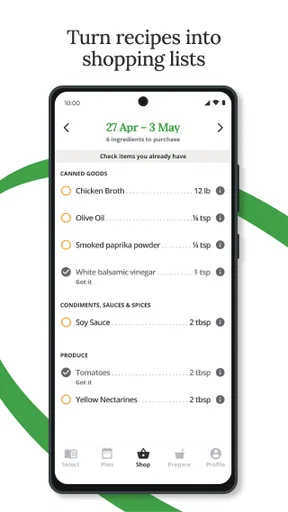
- Helpful food lists support quick grocery planning and meal choices.
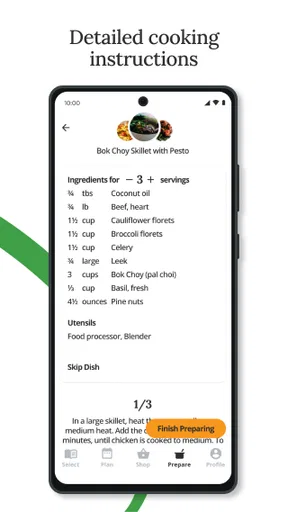
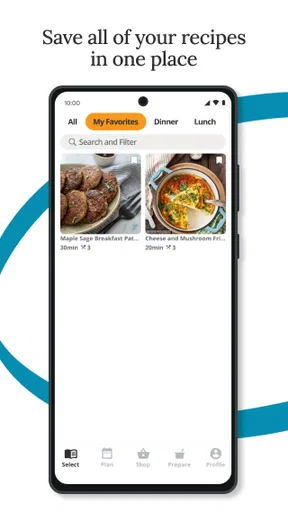
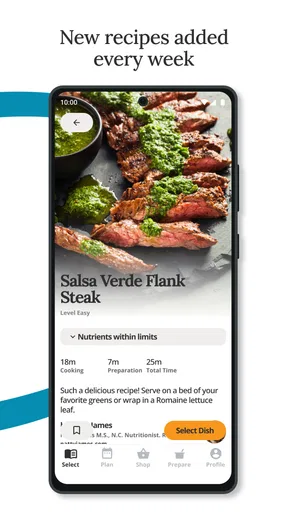
- Recipes can encourage more variety than a typical restrictive diet.
- Progress tracking may help users stay motivated over time.
- Useful for beginners who need a clear introduction to the Wahls approach.
Limitations of Wahls Diet App
- Some diet recommendations may be difficult to follow on a limited budget.
- The app may not offer enough customization for individual dietary needs.
- Users could find the strict food restrictions challenging socially.
- Nutritional advice should not replace guidance from a qualified professional.
- Content quality may depend on the app’s update frequency and available recipes.
Similar Picks in This Category
View All
WebMD: Symptom Checker
WebMD, LLC4.1

Microphone Amplifier
DOSA Apps4.2

Anatomy Learning - 3D Anatomy
3D Medical OU4.5

Period Tracker and Calendar
SimpleInnovation4.9

GoodRx: Prescription Coupons
GoodRx4.8

CVS Health
CVS Pharmacy4.5
Frequently Asked Questions
What is the Wahls Diet App designed to do?
The Wahls Diet App is intended to help users learn about and organize a dietary approach inspired by the Wahls Protocol. It may provide information about recommended food groups, meal ideas, shopping guidance, and daily tracking tools. The app should be viewed as an educational and planning companion rather than a guaranteed treatment, since individual results can vary considerably.
Does the Wahls Diet App provide a complete meal plan?
The app may include recipes, food suggestions, or planning features that make it easier to follow the Wahls dietary framework. However, users should check whether the available content matches their preferred version of the protocol, allergies, budget, and cooking habits. A meal plan inside the app is not necessarily personalized, so additional adjustments or professional nutrition advice may be needed.
Can the Wahls Diet App treat multiple sclerosis or other medical conditions?
No diet app should be considered a replacement for medical treatment, and the Wahls Diet App cannot guarantee that it will treat, reverse, or prevent multiple sclerosis or another health condition. Dietary changes can affect medications, energy levels, digestion, and nutrient intake. Anyone with a diagnosis or ongoing treatment should discuss the diet with a qualified healthcare professional before making major changes.
Is the Wahls Diet App suitable for beginners?
The app can be useful for beginners if its explanations, food lists, recipes, and tracking features are presented clearly. Even so, the Wahls approach may involve significant changes to everyday eating, including increased attention to vegetables, nutrient-dense foods, and foods that some users may need to avoid. New users should begin gradually, read the guidance carefully, and monitor how their body responds.
What should I check before downloading and using the app?
Before downloading, review the app’s current price, subscription terms, privacy policy, permissions, supported devices, update history, and whether its content is available in your region. Also confirm whether recipes and guidance account for allergies, vegetarian or vegan preferences, and other dietary needs. If you expect medical monitoring or individualized nutrition advice, verify whether the app actually offers those services.
